August 17, 2026
One of the primary forces accelerating this trend is the rapid growth of large-scale commercial real estate and industrial hubs. According to Polaris Market Research, the construction sector generated 7.5% of overall revenue in 2025, fueled by robust expansion within U.S. construction. This steady commercial expansion creates a massive demand for durable, continuous surfaces that can be applied efficiently across vast square footage. Developers need materials that reduce long-term building maintenance costs while keeping up with tight completion schedules. As broader market demands require larger warehousing footprints to keep pace with supply chain operations, protective coatings remain crucial for preserving foundational concrete slabs.
Modern Architectural Trends and Aesthetic Preferences
In addition to spatial growth, contemporary architectural trends emphasize sleek, minimal aesthetic choices that elevate commercial interiors. Facilities are moving away from outdated, high-maintenance floor coverings in favor of clean, continuous designs that enhance lighting and space perception. Epoxy flooring offers an adaptable surface finish that complements modern design concepts without sacrificing structural integrity. Facility managers appreciate how reflective finishes help brighten large indoor environments, reducing the need for excessive artificial lighting while maintaining a clean, cohesive appearance that appeals to visiting clients and employees alike during daily operations. This blend of visual appeal and practical resilience enables businesses to present a professional interior image while maintaining a resilient surface capable of handling routine utility work.
Environmental Sustainability and Air Quality
Sustainability and indoor air quality standards have also reshaped material selection in new commercial developments. Modern building guidelines prioritize low-emission materials that contribute to healthy indoor environments and align with environmental ratings. Formulations for epoxy flooring have evolved to support these eco-friendly goals, offering low-VOC choices that meet strict regulatory standards during installation and daily use. Beyond air quality considerations, the long life cycle of these poured systems means fewer material replacements over time, reducing overall landfill waste and conserving raw resources across the building lifecycle for forward-thinking organizations. By selecting systems that resist premature wear and breakdown, property managers effectively minimize environmental impact throughout the operational lifespan of the entire facility.
Standards for Workplace Operational Safety
Operational safety remains a top priority across industrial and commercial property management. Workplace guidelines require non-slip surfaces in manufacturing zones, commercial kitchens, and public passageways to prevent accidental slips and falls. Epoxy flooring can be customized during application with varying degrees of texture and aggregate additives to meet specific slip-resistance requirements. By tailoring the surface profile to match the specific operational environment, businesses maintain safer working conditions for staff and visitors while adhering to necessary regional safety codes and workplace compliance standards. Proactively addressing floor traction allows facilities to lower liability risks, maintain consistent productivity levels, and protect workers operating heavy machinery in demanding daily work environments.
Protection Against Chemical Exposure and Liquid Spills
The demanding nature of commercial operations also requires surfaces that resist chemical exposure and frequent liquid spills. Warehouses, automotive facilities, and processing plants routinely handle oils, solvents, and cleaning compounds that degrade standard concrete. Applying an epoxy flooring system creates an impenetrable barrier that prevents harsh liquids from soaking into the underlying slab, stopping serious structural damage before it starts. This chemical barrier keeps surfaces uniform, easy to inspect, and resistant to unsightly staining or degradation over years of heavy operational use and rigorous cleaning cycles. Shielding the underlying concrete from corrosive agents ensures the building retains its core value and utility despite rigorous industrial processing routines. Maintaining a non-porous surface also simplifies routine hazardous spill cleanup and reduces potential environmental compliance concerns.
Strict Sanitation Requirements in Critical Facilities
Sanitation standards have become increasingly rigorous, particularly within healthcare facilities, pharmaceutical laboratories, and food production plants. Traditional floor coverings with seams, grout lines, or expansion gaps create breeding grounds for bacteria, mold, and trapped debris that are difficult to sanitize thoroughly. Epoxy flooring forms a completely non-porous, joint-free surface that simplifies routine cleaning protocols. Facilities can maintain required hygiene standards using standard cleaning solutions, ensuring a clean environment that complies with stringent health inspections and strict regulatory oversight. Eliminating tight crevices and porous channels prevents bio-contaminants from taking root, making daily sanitation routines remarkably fast and cost-effective for operational teams. Maintaining a seamless hygienic barrier also helps prevent cross-contamination during sensitive manufacturing processes and daily administrative operations.
Heavy Equipment and Automated Machinery Loads
As commercial equipment becomes heavier and automated machinery like forklifts and robotic carts become standard, floor strength requirements continue to rise. Unprotected concrete surfaces under continuous heavy loads tend to crack, chip, or generate fine dust that can harm sensitive electronic components. An epoxy flooring layer absorbs heavy impact and distributes weight evenly across the surface slab. This added structural defense protects underlying concrete from fracture, reduces equipment wear, and keeps dust levels to a minimum throughout high-traffic distribution centers and manufacturing plants. Keeping the workplace free of abrasive concrete dust also protects delicate filtration systems and sensitive electronic inventory stored within modern fulfillment centers. Maintaining an intact, durable surface prevents operational slowdowns caused by routine floor maintenance and emergency patch repairs.
Demand for Efficient Installation Timelines and Reduced Downtime
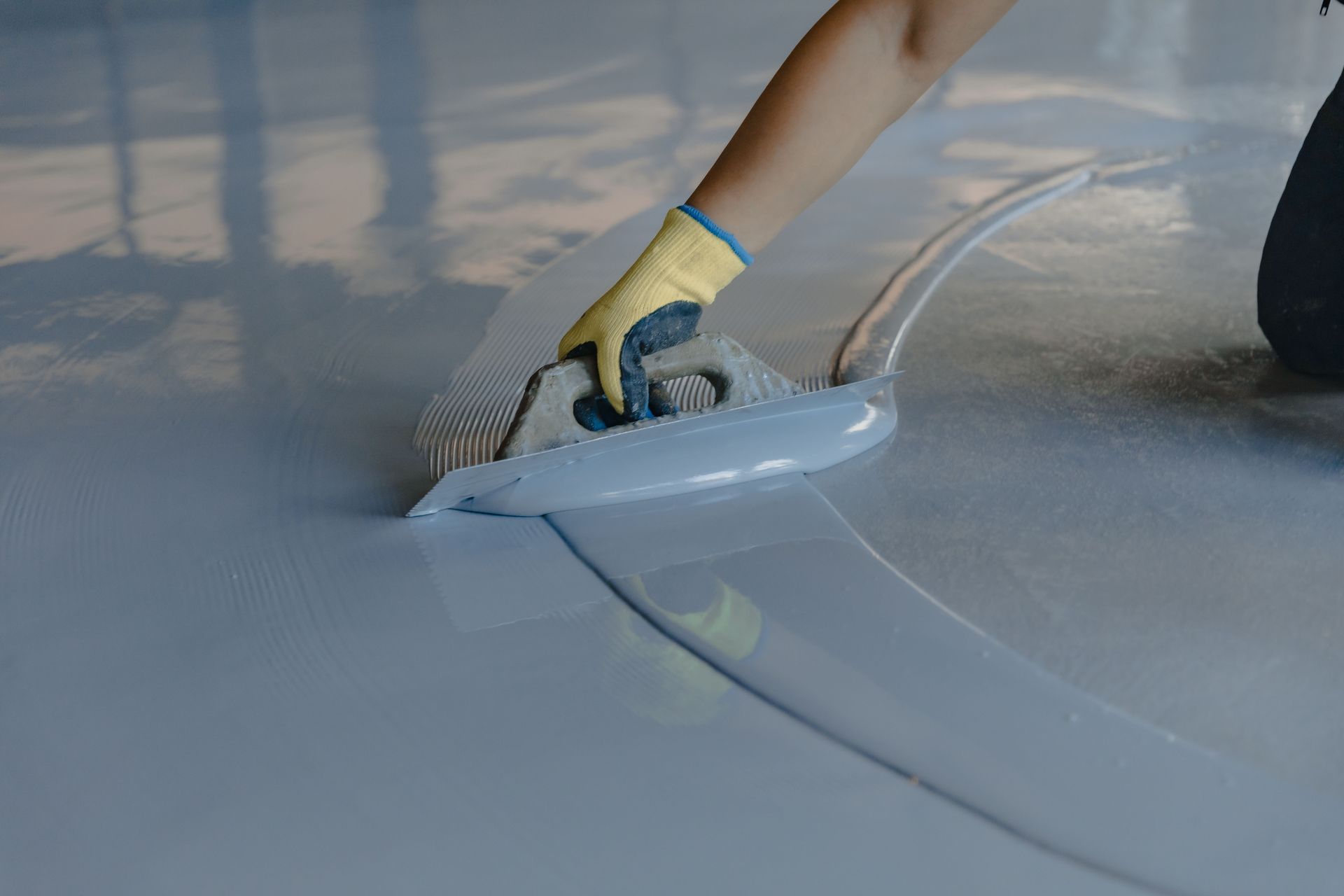
Fast application timelines are another crucial factor driving material preferences in commercial renovation and new builds. Downtime directly impacts revenue, making long, complicated installation processes unappealing to commercial property managers. Professional installation teams can apply an epoxy flooring system efficiently, allowing businesses to resume normal operations with minimal disruption. The rapid curing properties of modern resins allow spaces to be returned to full service quickly, keeping commercial projects on schedule, minimizing operational delays, and staying comfortably within assigned budgets. Fast turnaround times ensure commercial facilities maintain seamless continuity without sacrificing the quality or overall durability of the finished surface layer. Accelerating the path to operational readiness allows management teams to hit key project milestones on target without compromising long-term floor performance. Swift project execution also prevents cascading schedule delays across adjacent trade workflows during broader facility upgrades.
Financial Advantages and Lifecycle Cost Management
Lifecycle cost management is a fundamental consideration for long-term commercial property investment. While initial floor preparation requires careful planning, the minimal repair and maintenance demands over the lifespan of the surface offer significant long-term financial advantages. Choosing epoxy flooring eliminates the need for periodic stripping, waxing, or costly tile replacement, freeing up operational budgets for other business needs. Over decades of continuous use, the initial investment yields consistent returns through reduced maintenance labor, minimized repairs, and lowered material replacement expenses. Facility owners benefit directly from predictable maintenance schedules and reduced capital expenditure requirements over decades of continuous building occupancy. This long-term financial predictability ensures that commercial assets preserve their structural value while keeping overall operational overhead remarkably manageable.
The flexibility of modern surface design allows businesses to integrate functional visual cues directly into their flooring surfaces. Commercial facilities frequently use colored zones, safety striping, and designated pathways to organize traffic flow and outline hazardous areas. Incorporating custom color schemes into an epoxy flooring layout enables facilities to establish permanent directional markings that do not wear away like standard floor paint. Clearly defined floor boundaries minimize internal traffic bottlenecks and help keep pedestrian traffic safely separated from heavy equipment zones. Call us at Bullseye Concrete Coatings today to learn more about our services or get your free quote today!